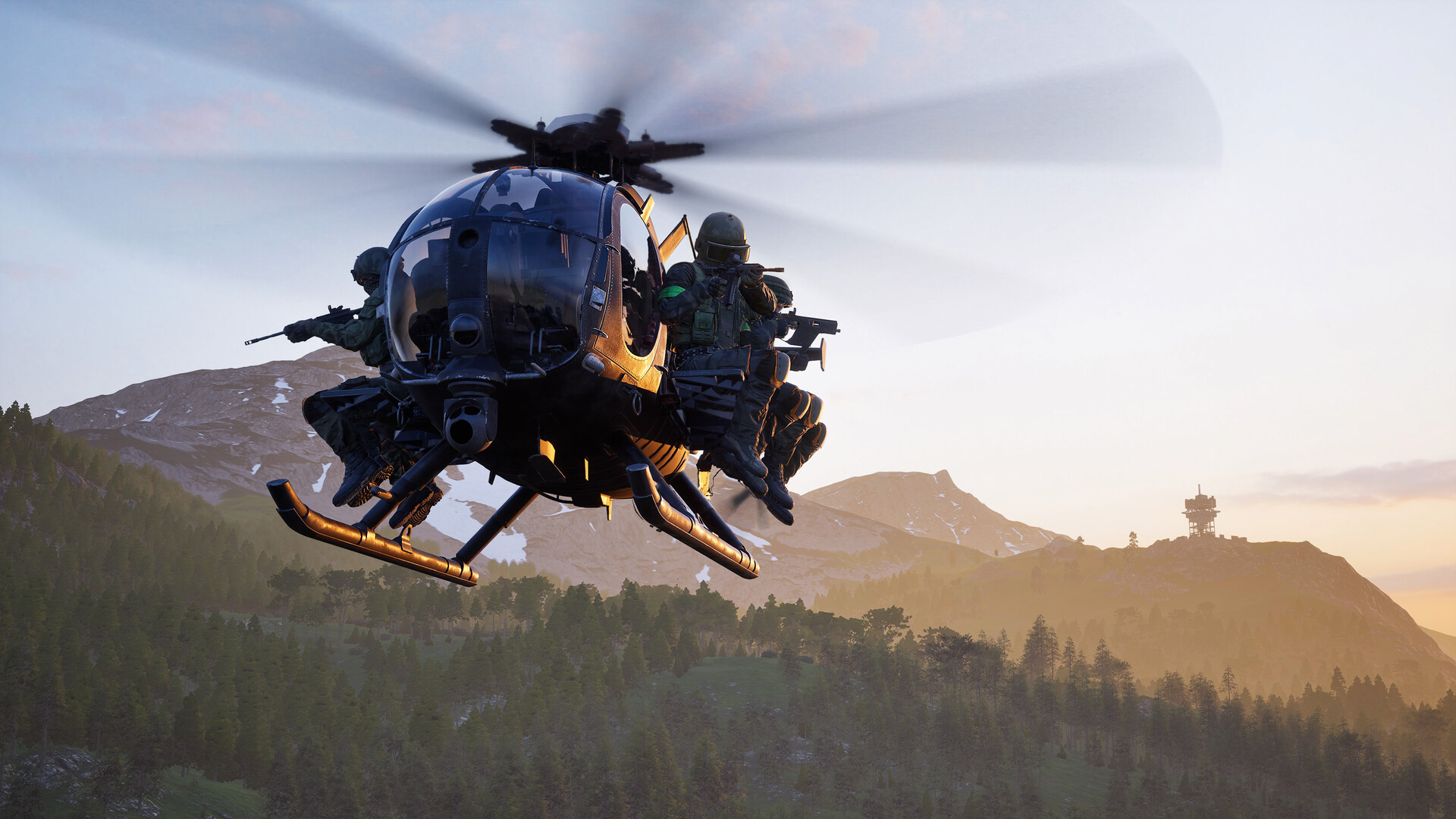
WARDOGS First Match Guide: Join a Team, Buy a Kit and Reach the Objective
Learn the first-match loop without confusing WARDOGS with a battle royale or an extraction shooter.
Read the guide ↗Independent WARDOGS guides to objective play, preparation, team communication and learning the developing battlefield.
Explore the practical toolkit ↗Eight detailed walkthroughs.
20 complete guides in this journal.
Learn the first-match loop without confusing WARDOGS with a battle royale or an extraction shooter.
Read the guide ↗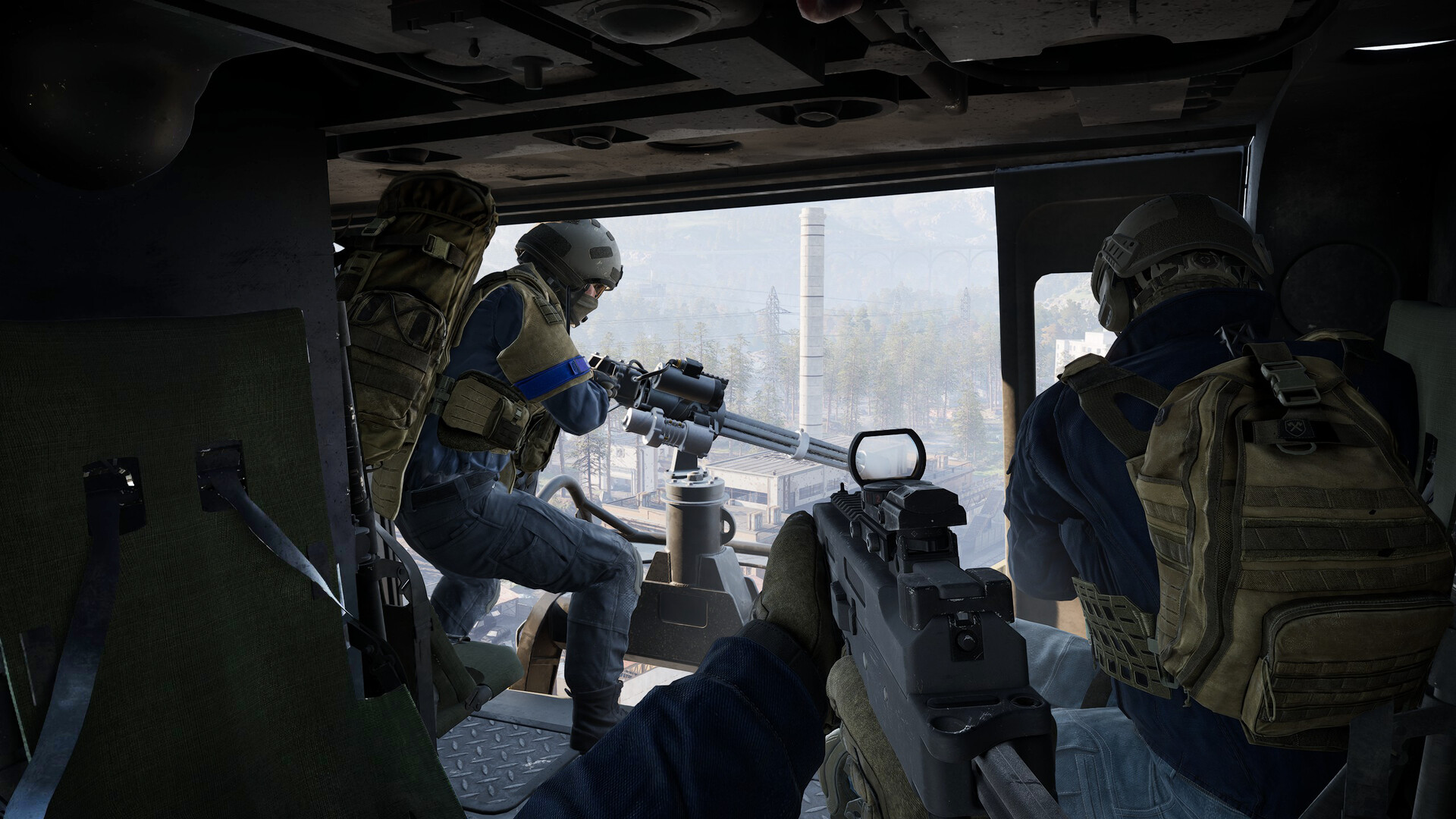
Read the scoring boundary, approach with cover and rotate without sacrificing a squad to one repeated rush.
Read the guide ↗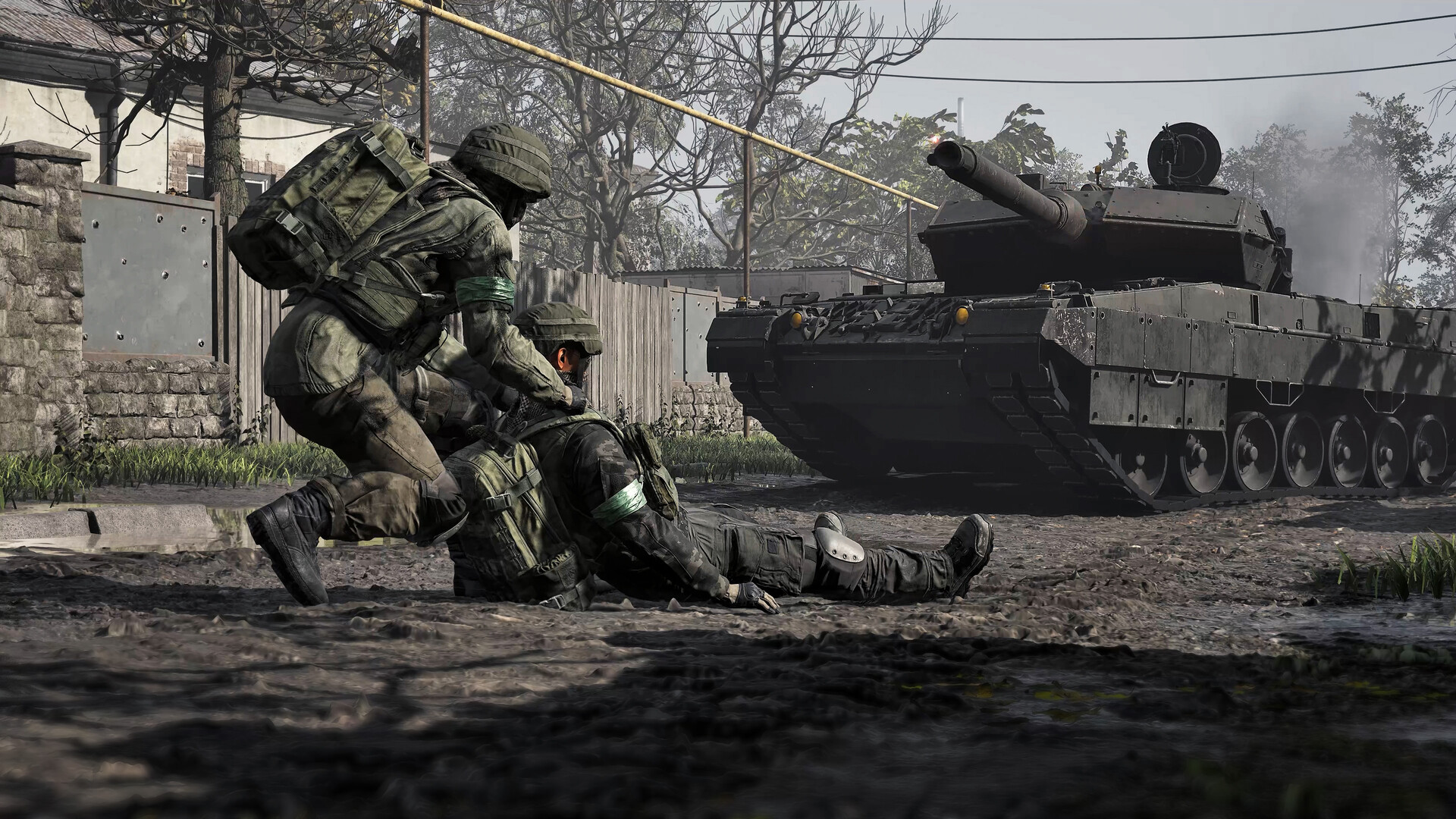
Coordinate local movement and support using short location-based calls, squad intent and clear requests.
Read the guide ↗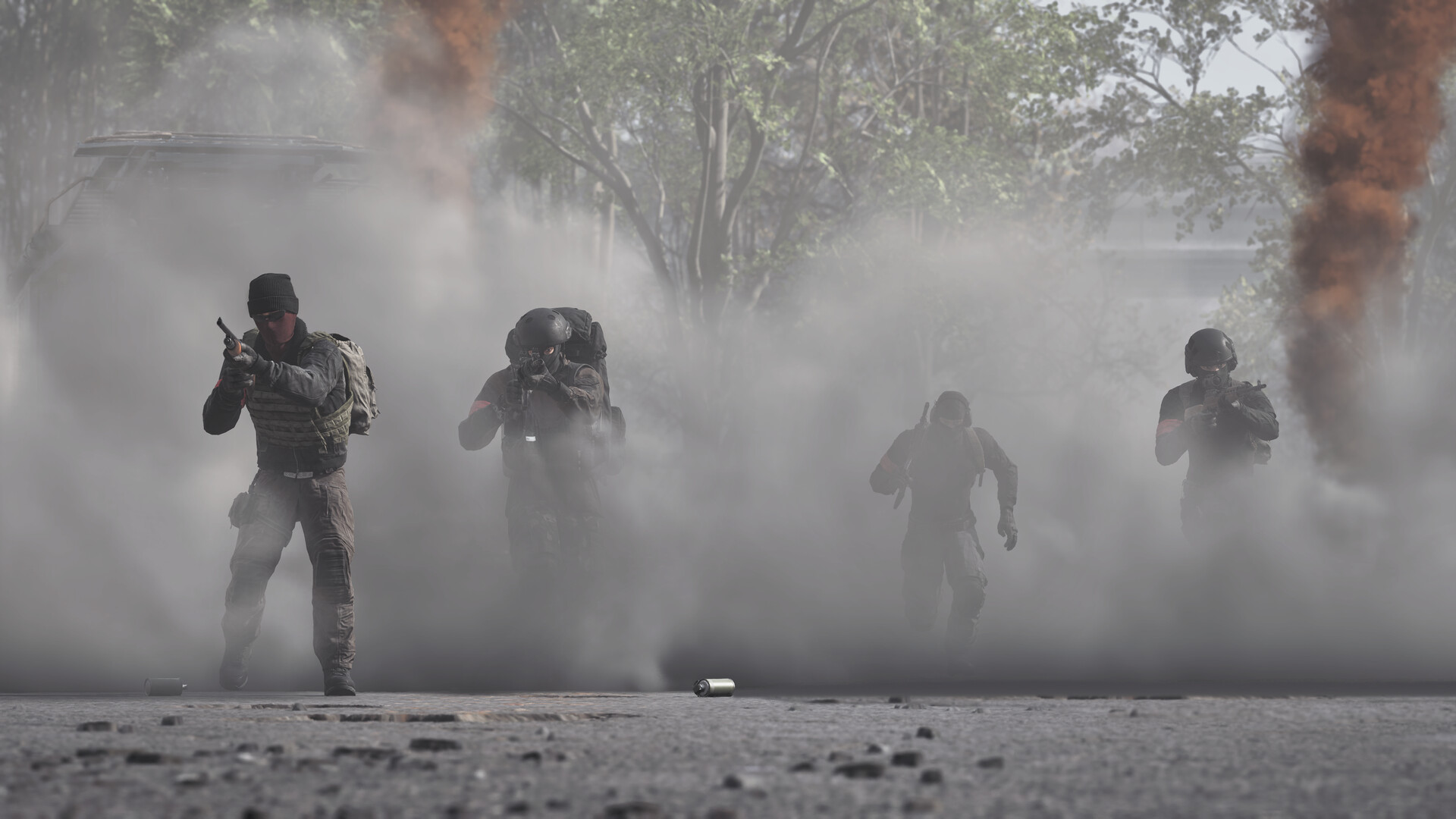
A practical route for moving from friendly transport into objective cover without relying on an expensive gun to solve exposure.
Read the guide ↗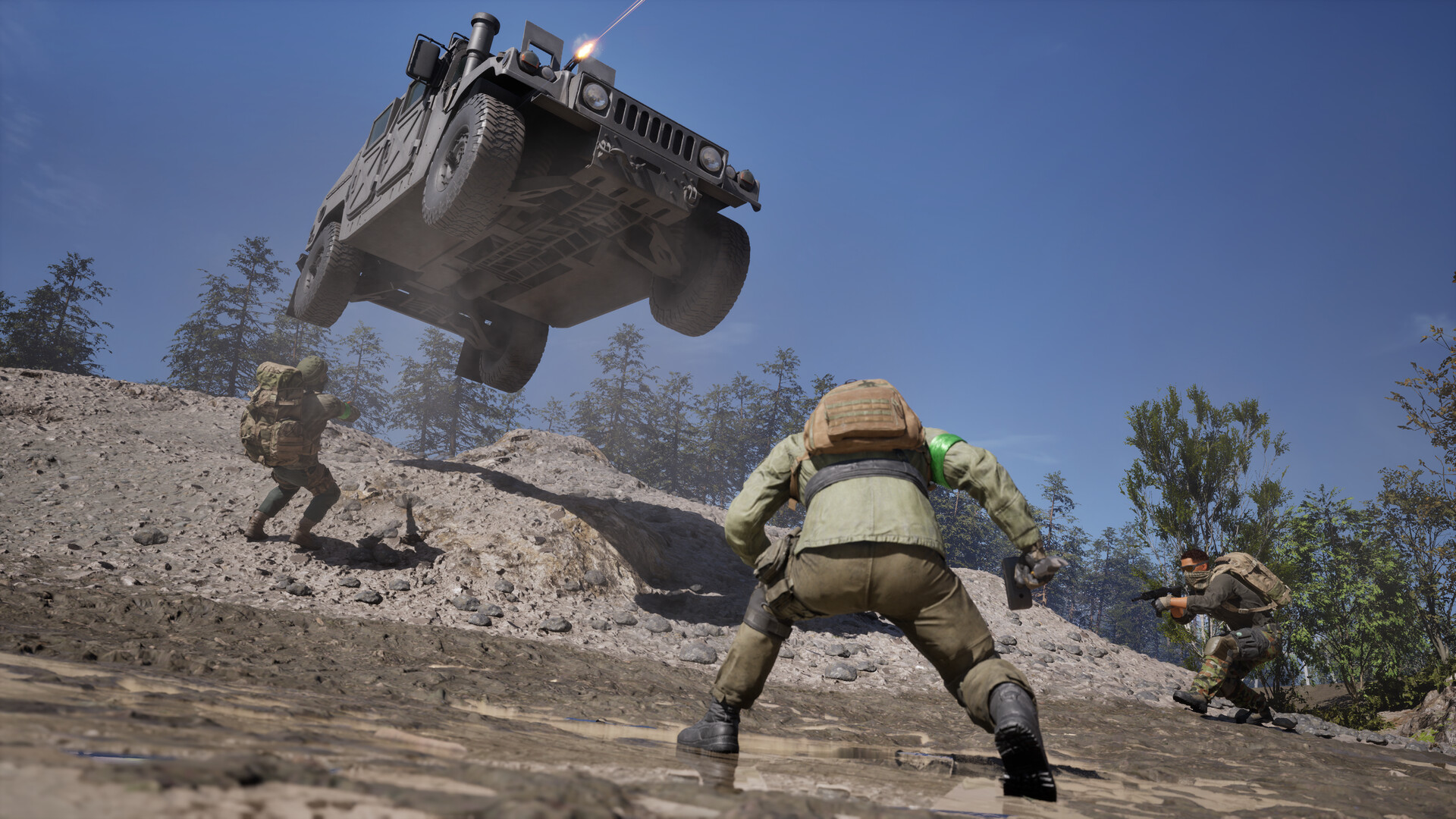
Build a complete kit around a job, inspect compatibility and costs, and avoid automatic expensive rebuys.
Read the guide ↗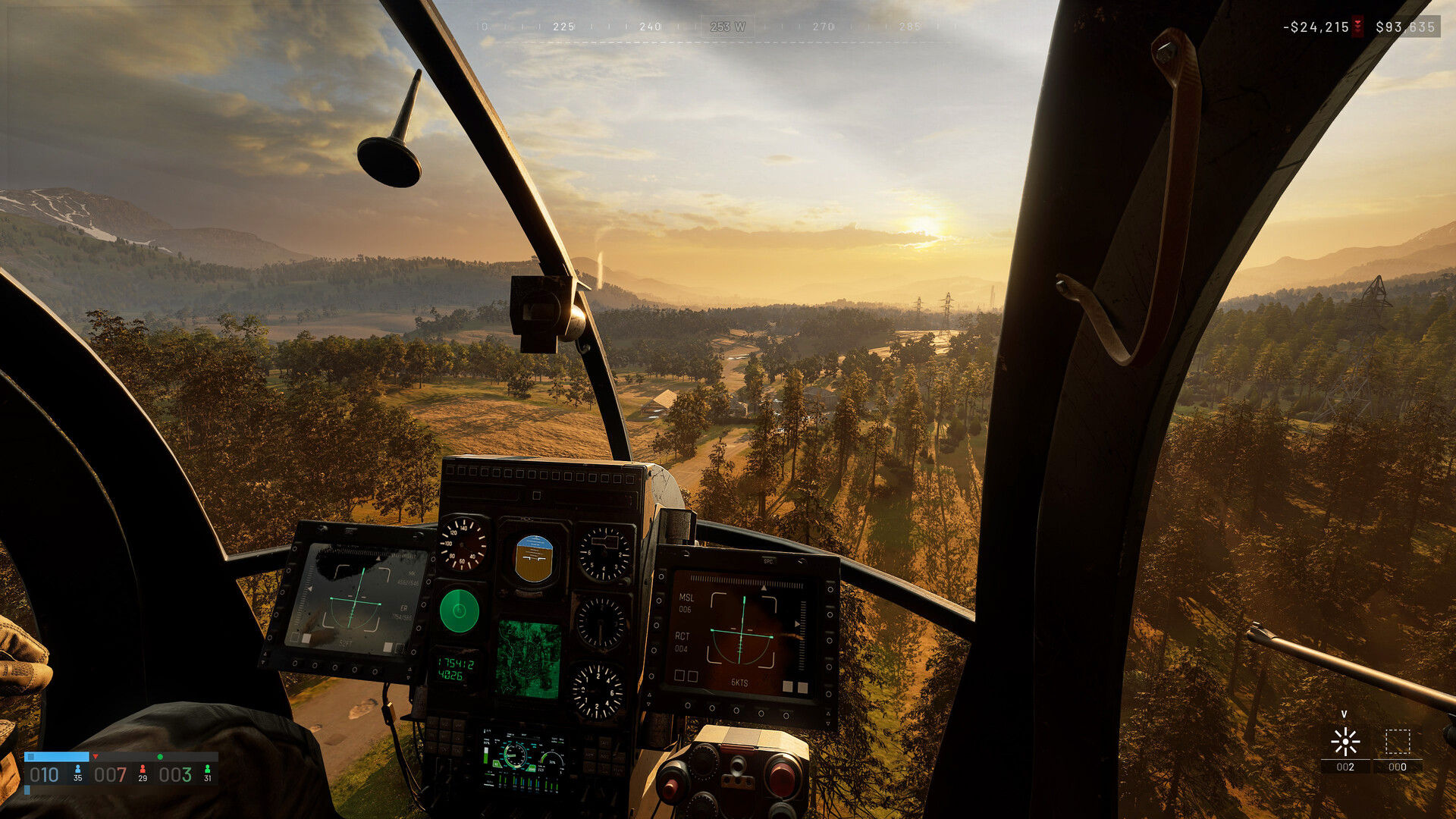
Use vehicles as part of a team route, with known controls, a delivery purpose and a plan for passengers and supplies.
Read the guide ↗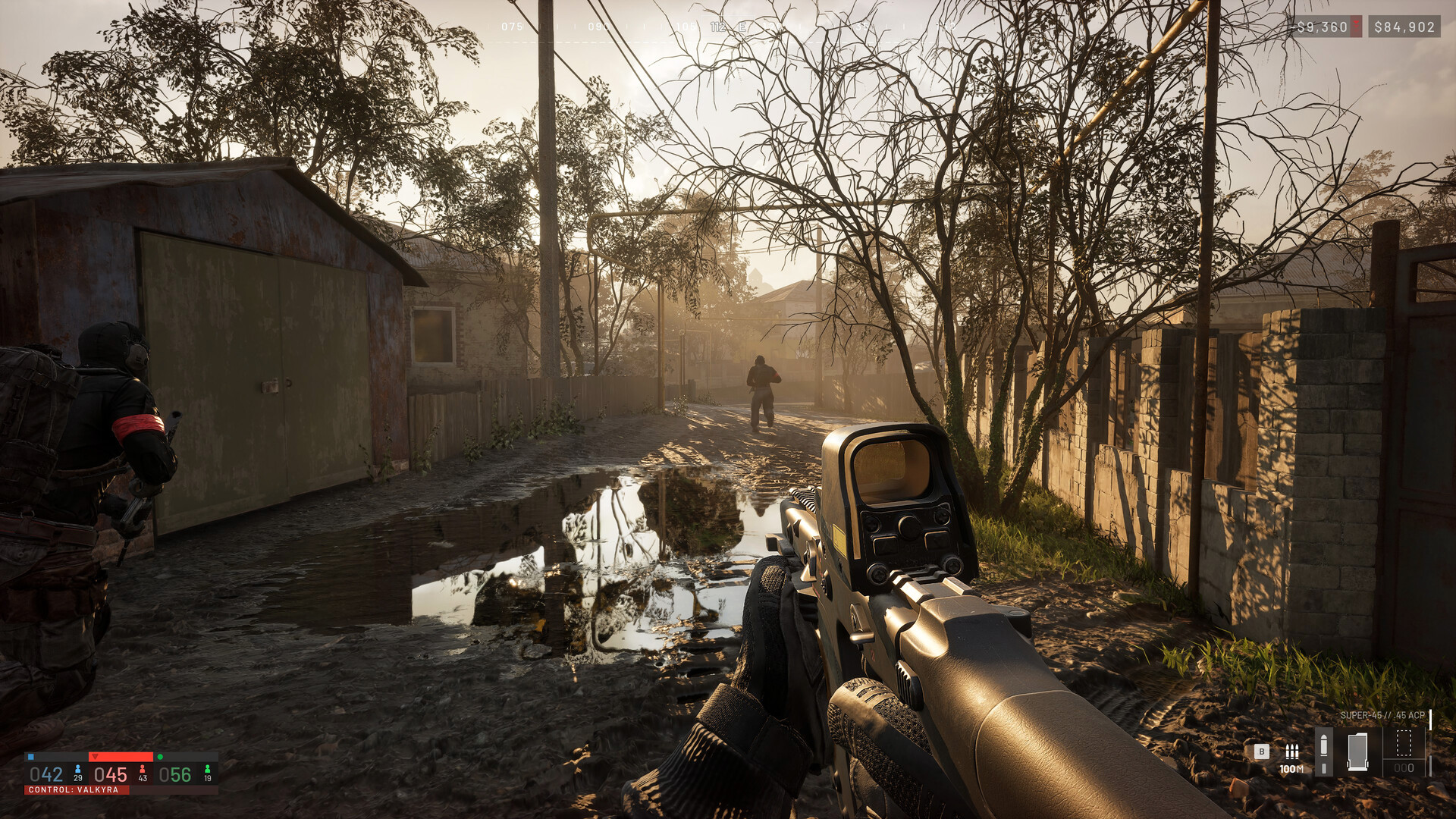
Manage persistent in-game cash through purposeful spending, legitimate teamplay and a clear continuation reserve.
Read the guide ↗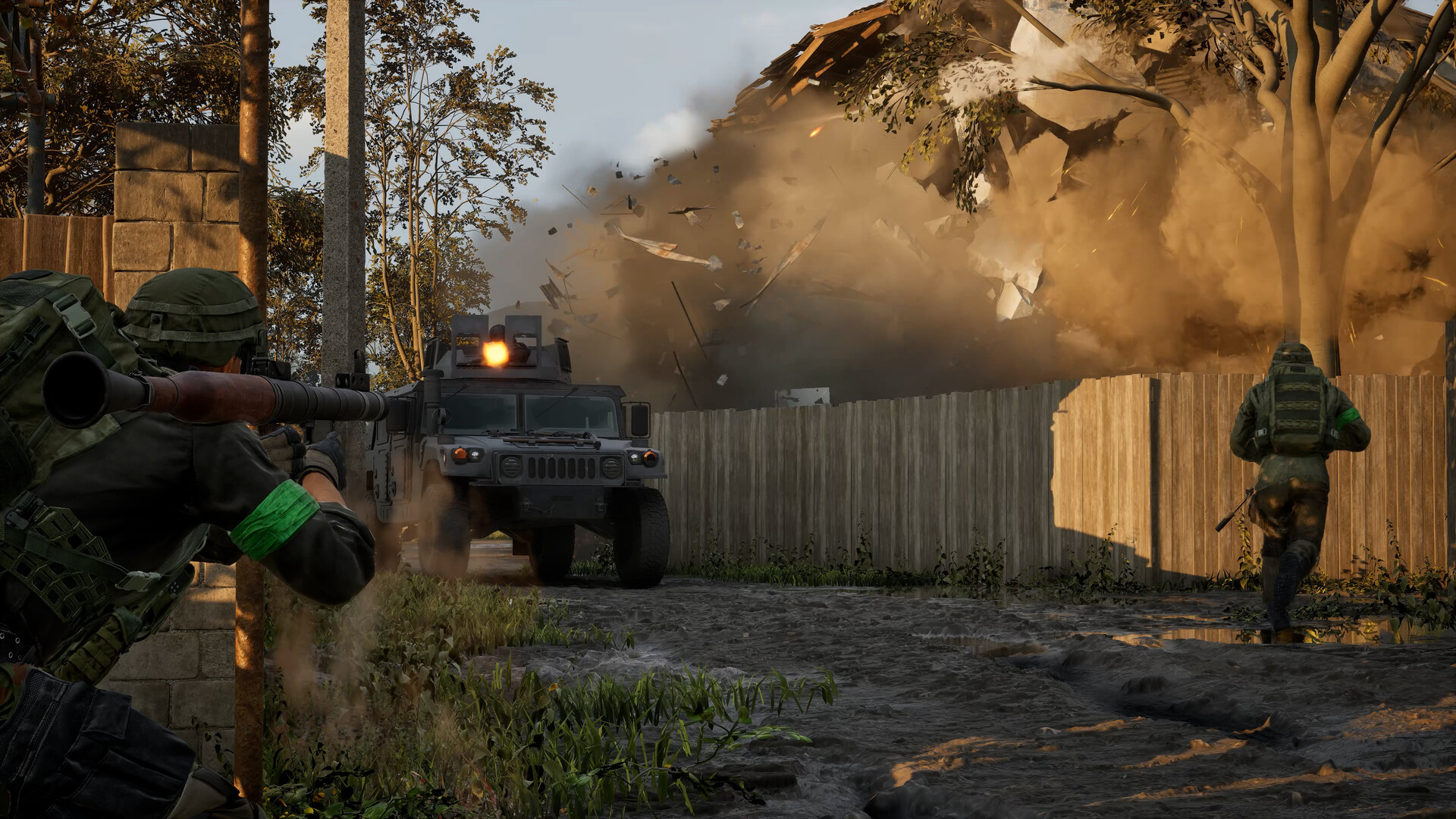
Use the match result to find one concrete change in objective presence, transport, communication or kit choices.
Read the guide ↗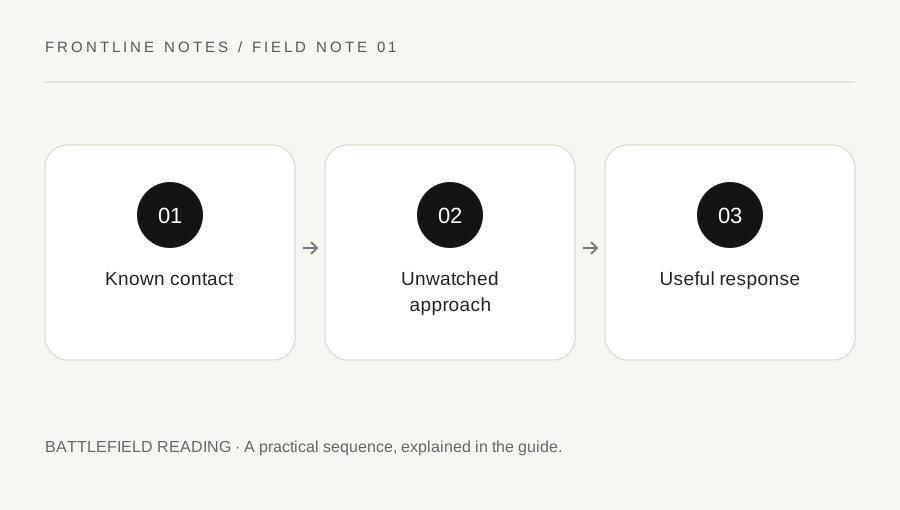
A fight that appears comfortable against one opponent can become unstable when the other team reaches a different side of the Control Zone. Build a repeatable way to notice that pressure without inventing alliances or abandoning every useful position.
Read the complete guide ↗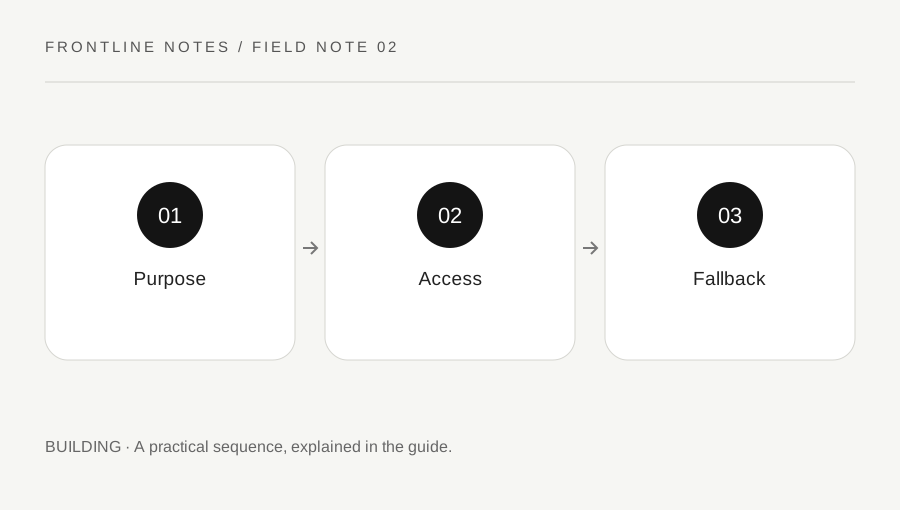
A fortification should solve a particular battlefield problem. Plan its view, access and fallback before investing attention in construction, then check whether teammates can actually use the result under the current Control Zone conditions.
Read the complete guide ↗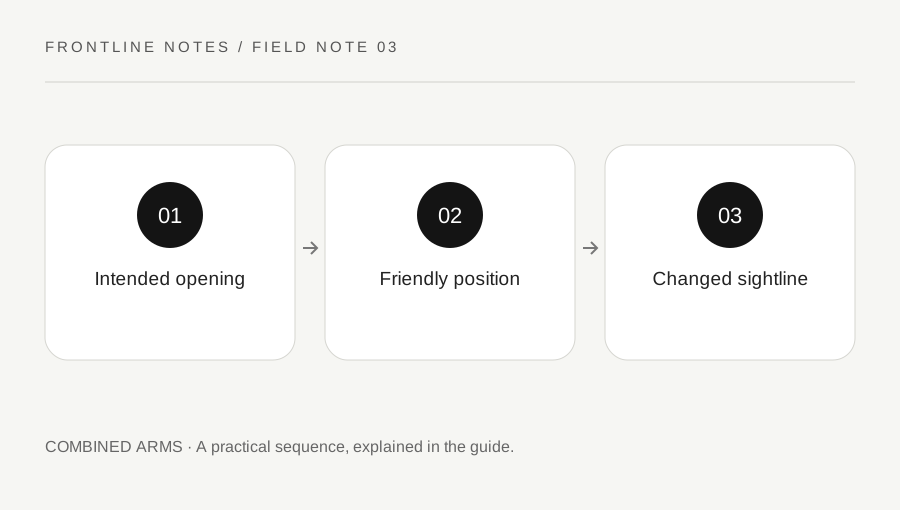
Destroying cover changes the battlefield for everyone nearby. Before using a destructive option, connect the intended opening to the infantry movement, observation or objective action it is supposed to enable, and warn teammates about the new exposure.
Read the complete guide ↗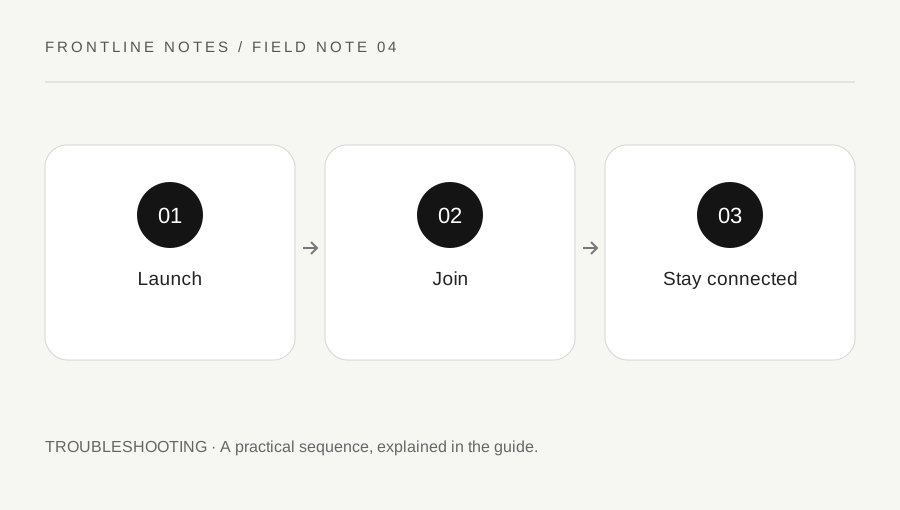
A failure before the main menu is different from a refusal by one server or a disconnect after entering a match. Identify the failing stage and preserve the exact message before changing your setup or contacting official support.
Read the complete guide ↗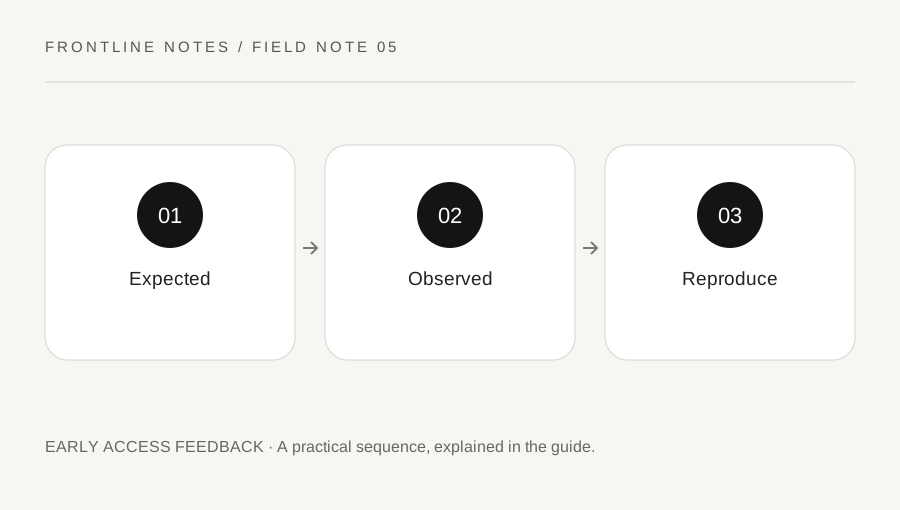
Useful Early Access feedback separates a broken interaction from a balance preference or an abusive player. Capture the smallest clear example, identify its consequences and send it through the appropriate official route without exaggerating what you know.
Read the complete guide ↗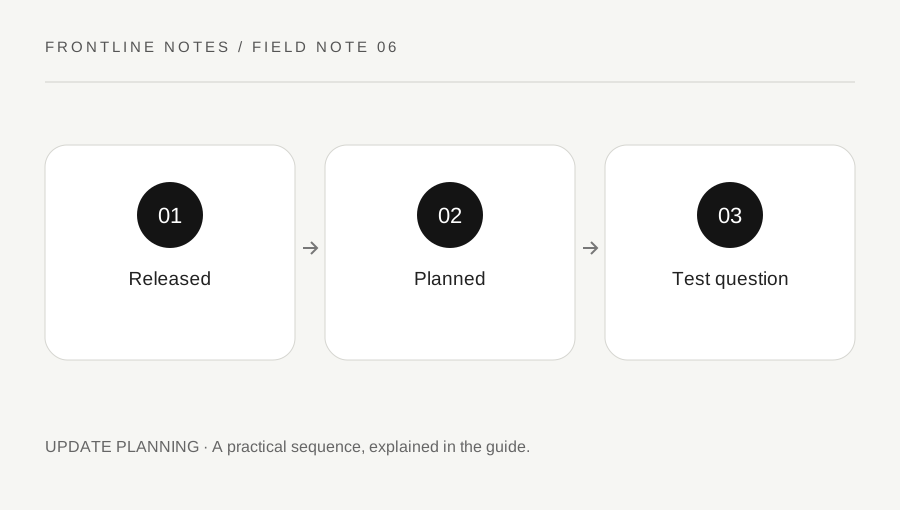
WARDOGS is evolving during Early Access. Read official updates as dated information, distinguish a development plan from a released feature and turn a relevant change into one practical question for your next supported session.
Read the complete guide ↗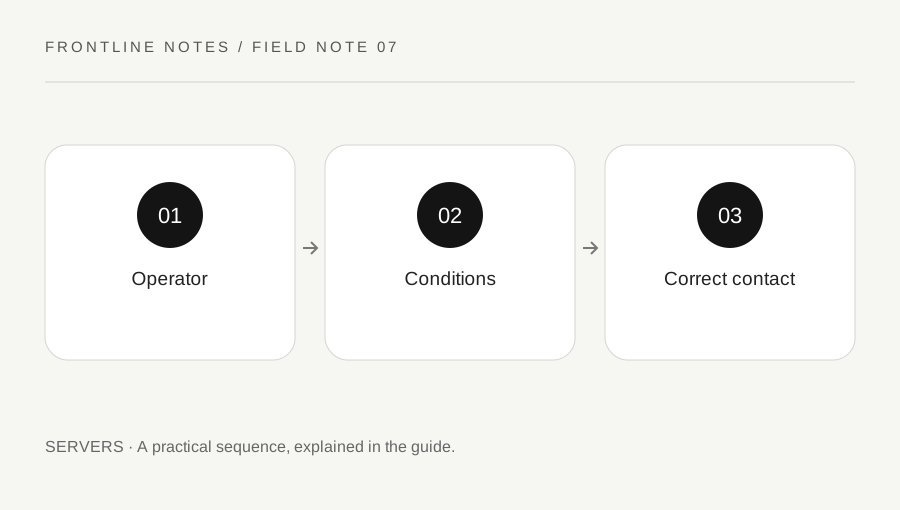
Choosing a community server is a practical match decision. Read the conditions, understand who operates the server and distinguish a local community rule from a restriction applied across WARDOGS before spending time troubleshooting or arguing about access.
Read the complete guide ↗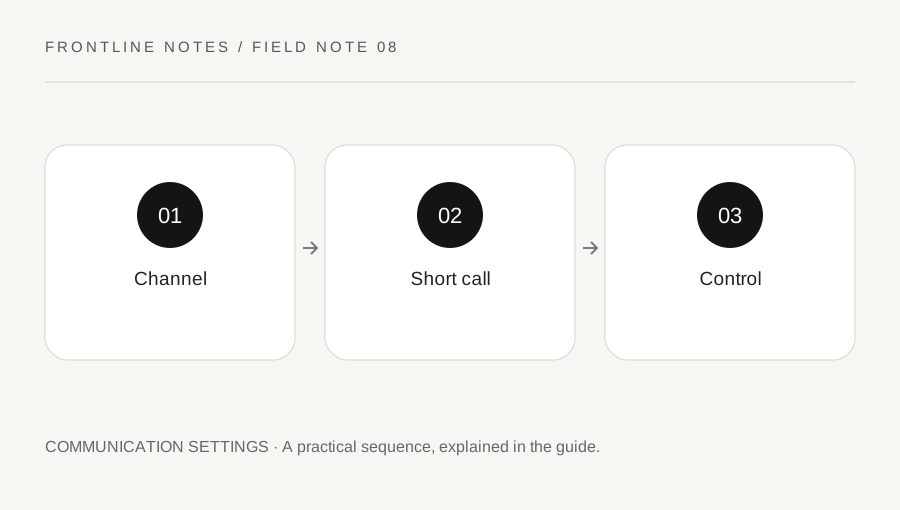
Local voice adds immediacy to WARDOGS, but it also changes who may hear a call. Prepare the supported audio controls, keep personal information out of match conversation and use the current mute, block and reporting tools when communication becomes abusive.
Read the complete guide ↗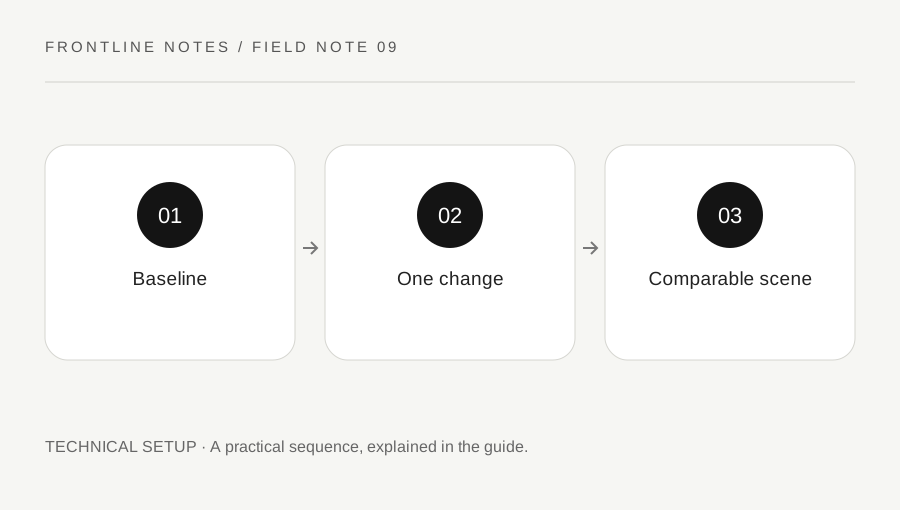
A large match with vehicles and destruction is a difficult place to judge a graphics change from one moment alone. Establish a baseline, record the scene and compare supported settings deliberately before deciding that a change improved your WARDOGS experience.
Read the complete guide ↗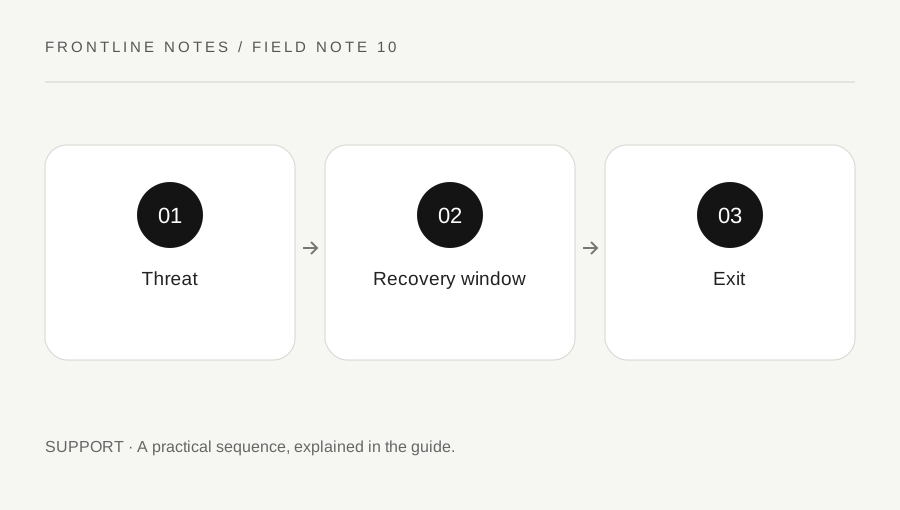
A recovery succeeds when the team can resume useful play, not merely when someone reaches a downed squadmate. Read the threat, available cover and route out before committing another player to the same exposed place.
Read the complete guide ↗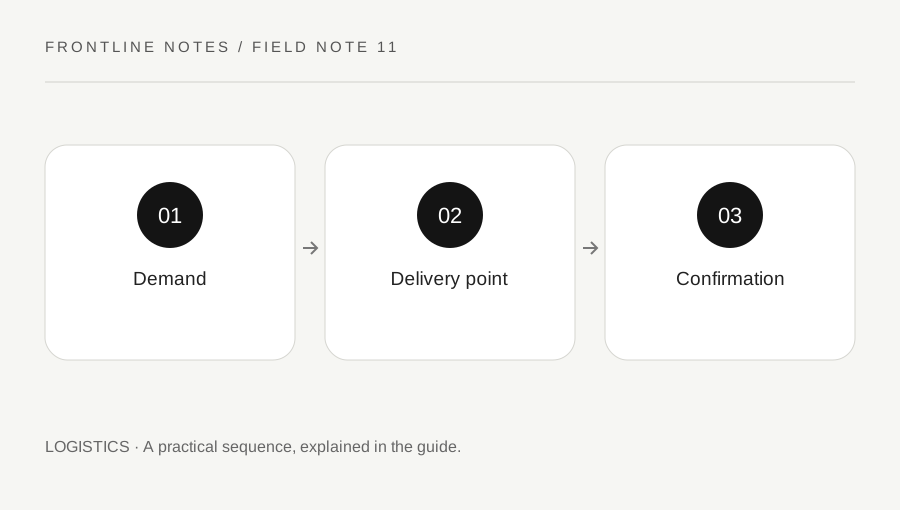
A supply run needs a recipient, a useful destination and a way to confirm that the delivery solved the original problem. Organize those details before committing a vehicle or leaving an active position for a vague request.
Read the complete guide ↗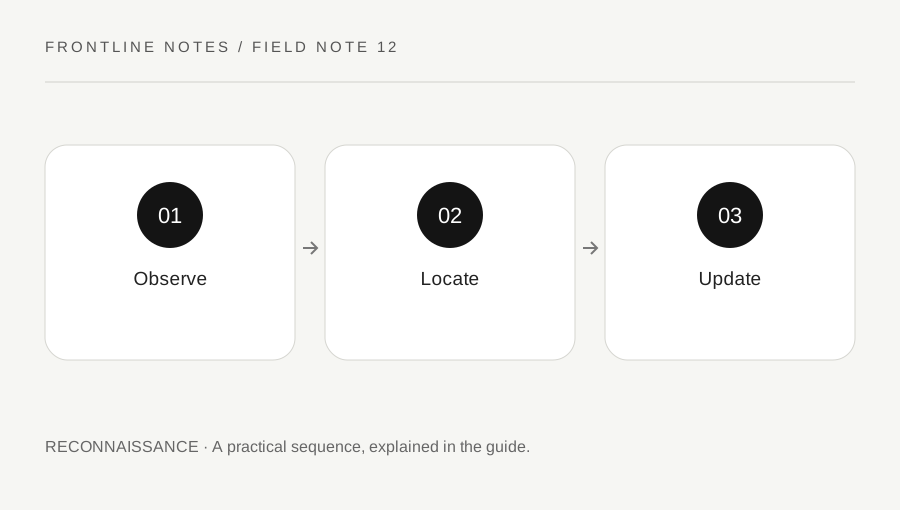
A distant viewpoint earns its place in the team plan when it produces information that nearby players can use. Learn to report location, movement and uncertainty without confusing a long view with complete knowledge of the battlefield.
Read the complete guide ↗