WARDOGS Loadout Preparation: Buy the Equipment Your Next Life Needs
WARDOGS makes equipment a personal spending decision for each life, so loadout preparation is part of the match rather than an unrelated menu task. A complete modest kit can be more useful than a premium weapon attached to a plan you cannot execute. This guide presents original buying advice with official sources reviewed October 18, 2026 in the Season 02 / Update 0.2.0 period. It does not publish a copied best-build price table; your vendor and unlocked equipment determine the actual options.
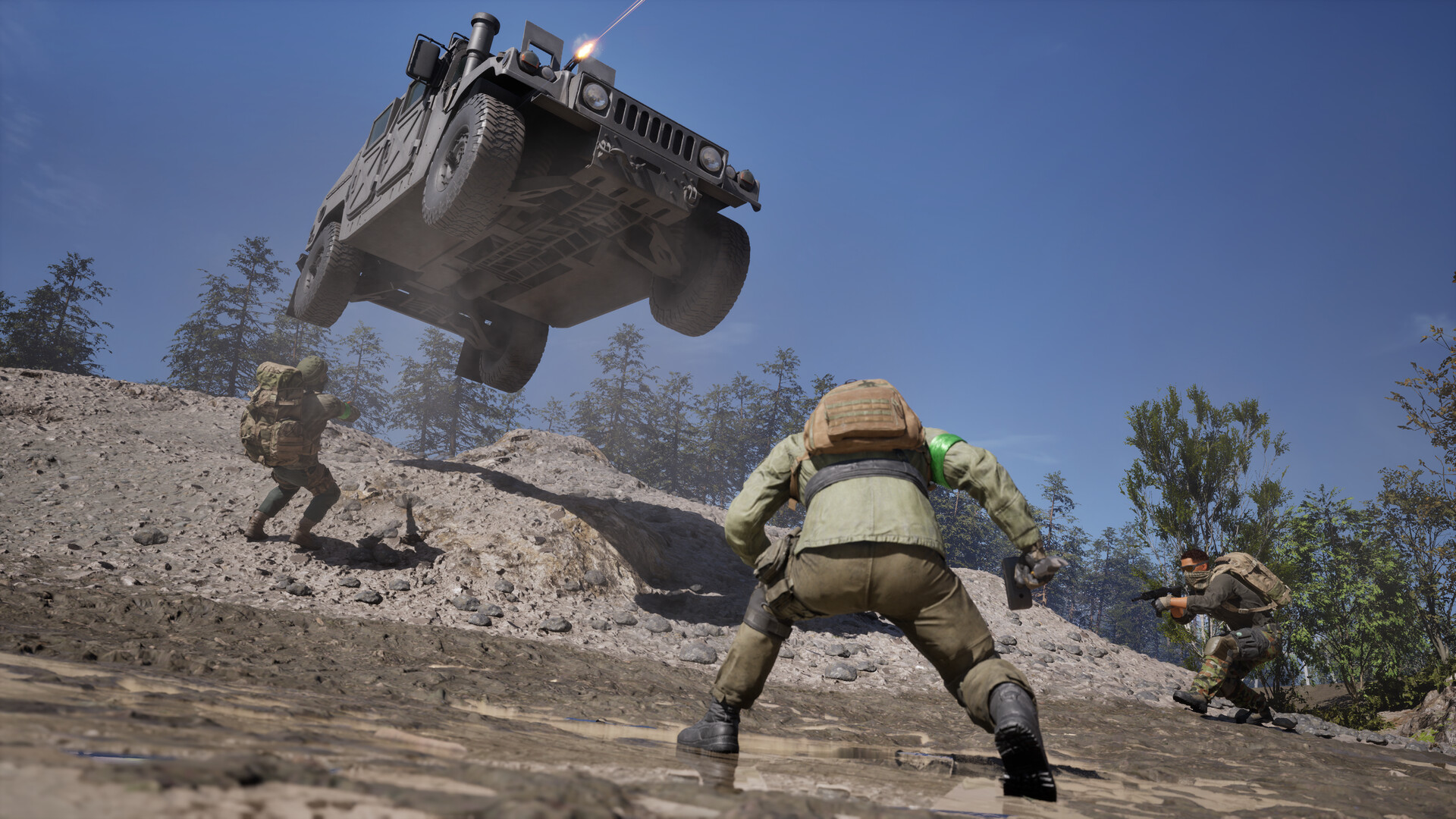
Official game screenshot · Team17. Publisher-provided public store media used to illustrate independent editorial discussion. Copyright remains with the respective rights holders; no redistribution license is offered.
Choose the job for this life
Decide whether you are joining an infantry push, providing recovery support, moving passengers, helping a construction plan or learning a route. Then identify the minimum equipment that makes that job possible. Avoid combining every role because it sounds flexible; extra items cost cash and create more inventory and handling decisions. A support label without the appropriate supplies does not help a casualty, and an expensive anti-vehicle tool is wasted if you never reach a position where it can be used. Begin with the task the squad actually needs now.
Inspect the whole weapon system
Check the firearm, compatible ammunition, magazines and attachments in the live vendor. Read the item names rather than selecting similar-looking icons from memory. A sight that works on one weapon is not automatically supported on another, especially when updates change compatibility. Think about the likely distance and firing position: an indoor approach asks for different handling from a deliberate long-range role. Keep the choice manageable while learning. It is easier to understand a failed fight when you know how the chosen weapon reloads and what supplies it consumes than when every item in the kit is unfamiliar.
Add recovery equipment before optional luxuries
Leave room in the budget for the medical or recovery items appropriate to your plan. Confirm the interaction and whether the item is for your own recovery, helping another player or a different support action. Do not assume that a larger bag contains supplies you have not purchased. Put essential items where you can access them without sorting the backpack in a doorway. If the budget cannot cover both a decorative upgrade and useful recovery, the latter usually supports the life more directly. That is a practical recommendation, not a promise that any fixed kit guarantees survival.
Evaluate armor as a tradeoff
Read the current equipment description and cost rather than assuming the highest tier is always best for learning. Official Season 02 notes describe visibility and audio drawbacks for the Level 4 helmet, illustrating that protection can bring handling consequences. Consider whether the job requires listening to nearby movement, quickly identifying a route or coordinating through local voice. Better damage protection may still be valuable, but the choice should match how you intend to play. Avoid copying an older armor ranking that predates current reductions, suppression behavior or equipment interactions.
Review weight, slots and specialist items
The developer FAQ identifies weight and inventory as deliberate parts of the game. Check the kit after adding the actual ammunition and tools, not only while the weapon is selected. If you carry building gear, understand what it can construct and what support it needs. If you bring a vehicle-related item, know which role will use it and where. Unused specialist equipment is not versatility if it repeatedly dies in your backpack. Remove things without a named purpose before cutting the supplies that keep the core job working.
Read the final total and preserve another attempt
Compare the complete purchase with your current balance. Choose a personal reserve that lets you continue with a basic role after a loss; the game does not publish a universal amount that every player must keep. Include any vehicle purchase in the same decision. A transport that will carry a ready group can justify spending differently from a solo experiment with unfamiliar controls. Avoid assuming future teamplay cash will certainly replace the purchase. Rewards depend on what actually happens, and Early Access changes can alter the economy you remember from an earlier session.
Inspect the rebuy preview instead of clicking by habit
Season 02 changed the Rebuy Last Loadout interface so the previous selection can be inspected and edited before purchase. Use that opportunity to remove a tool that no longer fits the job, correct missing ammunition and account for a changed balance. Rebuying a failed loadout is reasonable if the equipment was appropriate and the mistake was elsewhere. It is not reasonable simply because it saves a few menu actions. A new objective, changed squad need or lower cash balance can make a smaller revised kit the more useful choice.
Improve one specific limitation after deployment
After the life ends, identify whether equipment actually caused the failure. A wrong magazine is a kit issue; an open-field route under multiple angles may not be. Change the relevant part and keep the rest familiar enough to evaluate the result. When a patch arrives, revisit the weapon, medical and specialist items affected rather than assuming the whole old list remains valid. Keep notes of observed costs and build context for your own reference, but do not turn one successful life into a universal best setup. The strongest purchase is one whose purpose you can explain before spawning.
Your working checklist
Checkmarks stay in this browser when storage is available. They do not alter your game or connect to your account.
Put it into practice
- Select the task and its essential tools before choosing optional upgrades.
- Check weapon supplies, recovery items, armor tradeoffs and carrying needs.
- Inspect the complete vendor total or rebuy preview before confirmation.
- After the life, change only the equipment that addresses a known limitation.
Before you finish
- A larger backpack does not automatically include supplies.
- An old beta or Season 01 price list may no longer apply.
- Predicted rewards are not guaranteed repayment for an expensive kit.
Common questions
Should I always rebuy the previous kit?
No. Inspect whether it fits the new objective, current squad need and remaining cash before confirming.
Is the most protective helmet always the simplest option?
No. Read current tradeoffs, including any effect on visibility and audio, then match it to your role.
What should a beginner cut from an expensive loadout?
Start with unfamiliar extras that have no clear use, while preserving the compatible supplies needed for the core job.